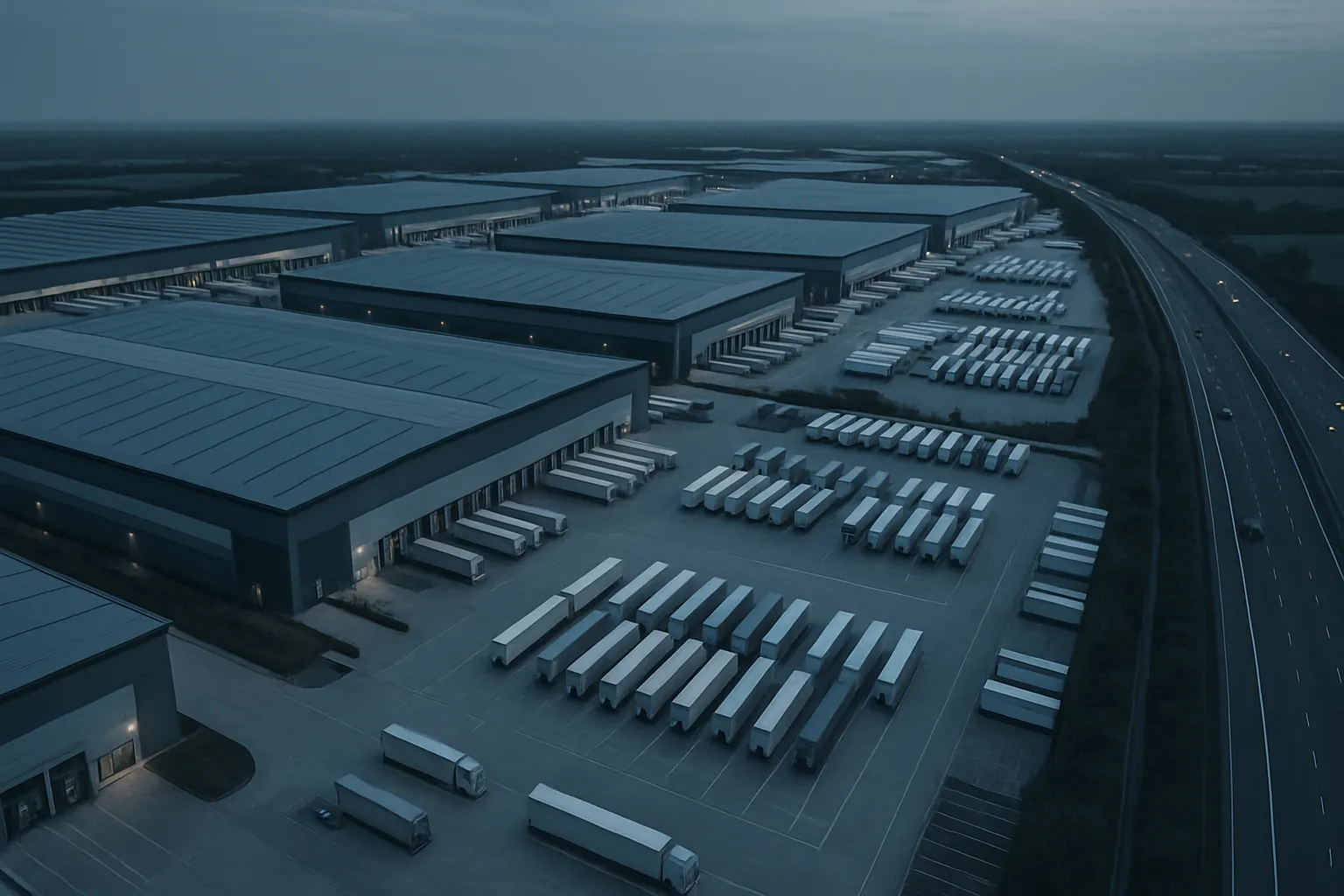
Stabilisation loans for warehouse assets
We arrange funding to carry a newly completed or part-let warehouse through to full occupancy.

From completion to a let, mortgageable warehouse
A warehouse stabilisation loan is a short-term facility that carries an industrial unit across the gap between practical completion or refurbishment and the point where it is fully let on a settled, stabilised income. When a new or refurbished warehouse reaches completion it is often only part-let, or not yet let at all, which means it does not yet qualify for the cheapest long-term commercial mortgage. The stabilisation loan funds that holding period while the remaining space is let up. We place these facilities with lenders who are comfortable with the letting risk.
Pricing sits between bridging and a term loan, reflecting that the warehouse is closer to fully income-producing than a building site but is not yet stabilised. The lender focuses on the letting strategy, the strength of demand for the industrial unit and the realistic timeline to full occupancy. Once the asset is fully let and the income has settled, the loan is refinanced onto a long-term commercial mortgage, which is the cheapest money in the lifecycle. Stabilisation lending is generally unregulated business lending.
Key features
- Carries a warehouse from completion to a fully let, stabilised income
- Priced between bridging and a long-term commercial mortgage
- Assessed on the letting strategy and the timeline to full occupancy
- Designed to exit cleanly onto a commercial mortgage once income settles
Indicative terms
- Loan size£500k to £50m+
- Loan to valueUp to 65 to 75%
- Term12 to 36 months
- RateFrom around 7% (asset dependent)
- Arrangement feeTypically 1 to 2%
Indicative only. Terms vary by lender, scheme and borrower and are not an offer of finance.
Who it suits
- Developers holding a newly completed warehouse that is not yet fully let
- Investors who have refurbished an industrial unit and are letting up the space
- Owners of part-let assets working toward a stabilised income and a commercial mortgage
Useful calculators
Related guides
Discuss stabilisation loans
A view on fundability within one working day.
How much can you borrow on a stabilisation loan?
A stabilisation loan on a part-let warehouse is usually sized up to around 65 to 75 percent loan to value (LTV) of the building. Because the industrial unit is already producing some income, a lender can look at the current rent and a sensible view of the rent still to come as the remaining space is let up.
The more of the warehouse that is already let on solid tenant covenants, the closer the advance sits to the top of the range and the keener the rate. A largely vacant unit with most of the letting still ahead sits lower and prices more like a bridge. We size the loan so it carries the asset comfortably through to full occupancy and a clean refinance.
What rates and terms apply?
A stabilisation loan is priced between bridging and a long-term commercial mortgage, with rates commonly from around 7 percent. That reflects an industrial unit that is built and partly income-producing but not yet on a settled, stabilised rent. The further along the letting, the lower the loan to value (LTV) risk and the keener the rate.
Terms usually run from 12 to 36 months, giving real time to let up the remaining space without the pressure of a short bridge. Interest may be serviced from the income the warehouse already produces or rolled up where the rent is still building. We structure the term and the interest so the asset can reach full occupancy before the refinance.
What does a lender want to see?
A stabilisation lender underwrites the letting plan above all. It will want the current tenancy schedule and passing rent, the space still to let, evidence of demand for the industrial unit, the marketing strategy and a realistic timeline to full occupancy. A credible path from part-let to fully let is what makes the case.
It also looks at the quality and location of the warehouse, since both drive the strength of tenant demand, and at your experience letting industrial space. Where you can show terms already agreed or in solicitors' hands on the remaining units, the lender has far more confidence in the income and the exit onto a commercial mortgage.
What is the exit?
The exit from a stabilisation loan is a refinance onto a long-term commercial mortgage once the warehouse is fully let and the income has settled. That term loan is the cheapest and longest money in the lifecycle, so the stabilisation phase is really about getting the industrial unit ready to qualify for it.
We line up the eventual commercial mortgage in parallel with the letting, so the term lender's appetite, loan to value (LTV) and rate are known before full occupancy is reached. When the last unit lets and the income stabilises, the move off the stabilisation loan onto the term mortgage is smooth rather than a last-minute scramble.
Can you refinance or remortgage the warehouse later?
Yes, and that is the whole purpose. Once the unit is fully let on settled income, you remortgage off the stabilisation loan onto a long-term commercial mortgage at a materially lower rate. The stabilisation phase carries the letting risk; the term loan then holds the stabilised warehouse cheaply for years.
At that refinance the asset is judged on the same fundamentals as any investment mortgage: tenant covenant, lease term, yield and loan to value (LTV). A fully let industrial unit on strong leases will support a higher advance and a keener rate than it did part-let. We arrange the refinance and can keep the same lender or move to a more competitive one.
Worked example: letting up a new warehouse
Picture a developer who has just completed a multi-let trade estate valued at 3 million pounds, with two of the five units already let and three still being marketed. A long-term commercial mortgage will not yet price the building keenly while it is part-let, so a stabilisation loan bridges the gap. The lender advances 70 percent loan to value (LTV), around 2.1 million pounds.
On an indicative rate of about 7.5 percent over a 24 month term, part of the interest is serviced from the rent the two let units already produce. Over the following year the remaining three units let to solid tenant covenants, the income stabilises, and the owner remortgages onto a commercial mortgage at roughly 6 percent.
This is illustrative only. The advance, rate, term and exit depend on the asset, the letting and the borrower, and any figures here are not an offer of finance.
Illustrative worked example only. Figures vary by lender, asset and borrower and are not an offer of finance.
Stabilisation loans: common questions
How is a stabilisation loan different from bridging?
Both are short-term loans secured on the warehouse, but a stabilisation loan is for an industrial unit that is already built and partly producing income and is being let up to full occupancy. It is usually priced below bridging because the letting risk is lower than a pure repositioning play.
What is the exit?
The exit is a refinance onto a long-term commercial mortgage once the warehouse is fully let and the income has stabilised. We can line up that term loan in parallel so the move is smooth when occupancy is reached.
Can I refinance or remortgage the warehouse later?
Yes. Once the unit is fully let, you remortgage off the stabilisation loan onto a long-term commercial mortgage at a lower rate. We arrange that refinance and can keep the same lender or move to a keener one.
How long does a stabilisation loan run?
Terms commonly run from 12 to 36 months, giving genuine time to let up the remaining space on the industrial unit and settle the income before refinancing. We set the term long enough to reach full occupancy without the pressure of a short bridge, with an exit onto a commercial mortgage in view.
Discuss stabilisation loans
Send us your scheme and we will come back with a view on fundability and likely terms within one working day.